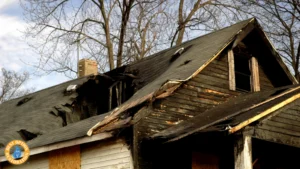
Grapevine Carrollton Texas service area fire damage situations are among the most destructive events a property owner can experience because the damage continues long after the flames are gone.
Why Fire Damage Impacts Much More Than Just Burned Areas
Fire damage is rarely limited to what is visibly burned. When a fire spreads through a structure, it creates an intense chain reaction of damage that affects nearly every part of the building. Even rooms that appear untouched by flames often suffer severe smoke and soot contamination.
Smoke behaves like a gas under pressure. It travels through hallways, vents, cracks in walls, electrical outlets, and HVAC systems. Once inside these pathways, it leaves behind microscopic particles that cling to surfaces and continue damaging materials long after the fire has been extinguished.
Soot is even more aggressive. It is made up of carbon residue and toxic byproducts that are highly acidic. When soot settles on surfaces, it begins corroding materials such as metal, paint, wood, and plastic. Over time, this corrosion becomes permanent if not treated correctly.
Another major issue is odor absorption. Smoke odor does not sit on the surface—it penetrates deep into porous materials like drywall, upholstery, insulation, and flooring. This is why homes affected by fire often retain a strong smoke smell even after surface cleaning.
In Grapevine and Carrollton, fire damage restoration is especially important because many homes have interconnected HVAC systems that spread smoke throughout the entire property within minutes of a fire starting.
Step-by-Step Fire Damage Restoration Process
Fire restoration is a multi-phase process designed to address both visible destruction and hidden contamination.
The first step is emergency stabilization. This involves securing the structure, assessing safety risks, and preventing further damage from weather exposure or structural instability. In many cases, fire weakens walls, ceilings, and roofing systems, making the property unsafe to enter without professional evaluation.
Once the structure is stabilized, debris removal begins. Burned materials, collapsed structures, and contaminated items are carefully removed. This step is critical because burned debris continues to release harmful particles into the air.
Next comes soot removal. This is one of the most delicate stages of fire restoration because improper cleaning can spread soot further or cause permanent staining. Specialized cleaning agents and techniques are used depending on the type of surface being treated. Dry sponges, chemical cleaners, and controlled wiping methods are all used strategically.
After soot removal, deep cleaning begins. This includes walls, ceilings, floors, and all remaining structural surfaces. The goal is to remove invisible residue that may not be immediately noticeable but can still cause long-term damage.
Once cleaning is complete, odor removal is performed. This step uses advanced deodorization technology such as thermal fogging, ozone treatment, and air scrubbers. These systems break down smoke particles at a molecular level rather than simply masking the smell.
Finally, reconstruction restores the property to its original or improved condition. This may include rebuilding walls, replacing flooring, installing new insulation, repainting, and restoring structural components.
The Hidden Dangers of Smoke and Soot Exposure
One of the most misunderstood aspects of fire damage is how long smoke and soot remain active within a structure. Even after visible cleaning, microscopic particles can remain embedded in materials.
These particles continue to release odors and toxins over time. This can affect indoor air quality and create ongoing respiratory irritation for occupants.
Smoke residue is also corrosive. Metal fixtures, wiring, and appliances can continue to degrade long after the fire if soot is not completely removed.
Electrical systems are especially vulnerable. Smoke particles can enter outlets, breaker panels, and wiring systems, increasing the risk of electrical malfunction or fire hazards in the future.
Because of these risks, fire damage restoration must go far beyond surface cleaning. It requires deep structural treatment and air purification.
Why Fast Fire Damage Response Is Critical
Time plays a major role in fire restoration outcomes. The longer soot and smoke remain in a structure, the more deeply they penetrate materials.
Within the first 24 to 48 hours, soot begins bonding to surfaces, making it significantly harder to remove. Odors also become stronger as they settle into porous materials.
Delayed response increases restoration costs and often leads to full material replacement instead of cleaning and repair.
Fast professional intervention helps:
- Prevent permanent staining
- Reduce odor penetration
- Protect structural materials
- Minimize reconstruction needs
This is why fire damage restoration services prioritize immediate response and rapid stabilization.
Final Thoughts on Fire Damage Restoration
Fire damage is one of the most complex restoration challenges because it affects both visible and invisible parts of a property. In areas like Grapevine and Carrollton, where homes often have integrated ventilation systems, smoke and soot can spread quickly throughout an entire structure.
Proper restoration requires more than cleaning—it requires complete environmental recovery. Every layer of the home must be treated to ensure safety, air quality, and structural integrity.
Fast action is the most important factor in minimizing long-term damage and restoring the property effectively.