
Residential vs. Commercial Water Damage Restoration: Key Differences Explained
March 19, 2026
Water damage restoration is crucial for homes and businesses. Learn effective strategies to mitigate damage and restore property efficiently.
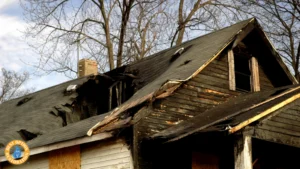
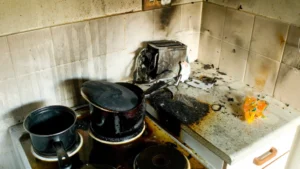
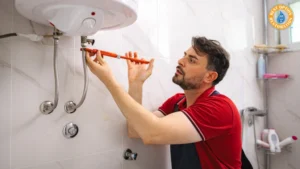
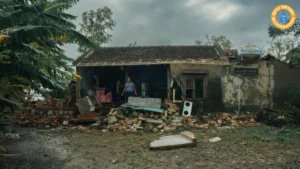
Grapevine and Carrollton Texas residential plumbing systems are highly vulnerable to burst pipe incidents caused by aging infrastructure, sudden pressure changes, corrosion, and extreme temperature fluctuations that can cause immediate flooding inside a home or commercial property.
A burst pipe is not a slow or controlled leak — it is a sudden structural failure that releases pressurized water directly into a building with no warning. In many cases, a pipe can rupture and flood an entire area in under five minutes, depending on water pressure and pipe size.
What makes burst pipe damage so severe is the speed and force of water release. Unlike natural flooding or roof leaks, burst pipes often originate inside walls, ceilings, or beneath flooring. This means water begins spreading internally before it is even visible, silently saturating structural materials.
In homes across Grapevine and Carrollton, this type of damage is especially common during seasonal temperature changes. When temperatures drop suddenly, pipes that are not properly insulated can freeze, expand, and crack. Once pressure builds again, those cracks turn into full ruptures.
Older plumbing systems also increase risk. Corroded pipes weaken over time, making them more likely to fail under normal water pressure conditions.
The most dangerous part of a burst pipe is not the initial flooding it is the hidden spread of water inside walls and flooring that continues long after the visible water is removed.
The moment a pipe bursts, water begins moving rapidly through every available path inside the structure. Carpets become saturated first, followed by subflooring and wall cavities. Drywall absorbs moisture quickly, often losing structural strength within hours.
Electrical systems are also at risk during a burst pipe event. If water reaches outlets, wiring, orbreaker panels, it can create serious safety hazards including short circuits and fire risks.
Furniture, insulation, and personal belongings begin absorbing water immediately, and once saturation reaches a certain point, many materials become unrecoverable.
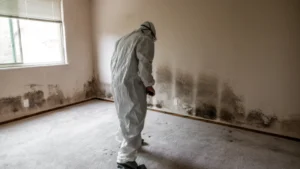
Within the first few hours, humidity levels inside the property rise dramatically. This creates the perfect environment for mold growth, which can begin developing in as little as 24 to 48 hours if drying is not initiated quickly.
Because of how fast damage escalates, burst pipe emergencies are considered one of the highest priority restoration situations.
Proper restoration after a burst pipe requires a structured, multi-step process designed to stop active damage, remove water, and fully restore the property.
The first and most critical step is shutting off the main water supply. This prevents additional flooding and stabilizes the situation so cleanup can begin safely.
Next, emergency water extraction is performed using high-capacity pumps and industrial vacuums. This step removes all standing water from floors, carpets, and affected surfaces as quickly as possible to prevent further absorption.
After extraction, a detailed moisture inspection is performed. Technicians use advanced tools such as thermal imaging cameras and moisture meters to detect water hidden behind walls, under flooring, and inside structural cavities.
Once all affected areas are identified, industrial drying equipment is deployed. High-powered air movers circulate air across wet surfaces, while dehumidifiers remove moisture from the air. This combination ensures that both visible and hidden water is fully eliminated.
Drying is one of the most important stages because even small amounts of remaining moisture can lead to mold growth or long-term structural weakening.
After drying is complete, sanitization begins. This step removes bacteria, contaminants, and any residue left behind by water exposure. It also helps eliminate odors caused by prolonged moisture exposure.
Finally, reconstruction restores damaged areas of the home. This may include replacing drywall, installing new insulation, repairing flooring, repainting walls, and restoring structural components affected by water.
One of the most serious issues with burst pipe damage is that the visible water is often only a fraction of the total damage.
Water can travel behind walls and inside floor cavities where it remains trapped long after surface drying. This hidden moisture is extremely dangerous because it is not easily detected without professional equipment.
Inside wall structures, water can saturate insulation and wooden framing, weakening load-bearing elements over time. Under flooring, moisture can remain trapped beneath tile, vinyl, or hardwood layers, slowly causing warping, swelling, or decay.
This hidden environment is also ideal for mold growth. Mold does not require standing water it only needs moisture and organic material. Once it begins spreading inside walls, it can affect air quality throughout the entire property.
Electrical systems hidden inside walls are also at risk. Water exposure can corrode wiring and increase the risk of electrical failure or fire hazards if not properly inspected.
Because of these hidden risks, professional restoration is essential even if the visible water appears minimal.
Time is the most important factor in burst pipe restoration. The longer water remains in the structure, the more extensive the damage becomes.
Within minutes, water begins soaking into porous materials. Within hours, drywall weakens and flooring begins to swell. Within 24 hours, mold conditions can begin forming. Within 48 hours, structural materials may require replacement instead of repair.
Fast response helps reduce:
In many cases, responding quickly can mean the difference between a simple drying job and a full reconstruction project.
Burst pipe emergencies are unpredictable, fast-moving, and highly destructive. In areas like Grapevine and Carrollton, where temperature changes and aging plumbing systems are common, the risk of sudden pipe failure is always present.
Proper restoration is not just about removing water it is about fully restoring the structure, preventing hidden moisture issues, and ensuring long-term safety.
The most important factor in minimizing damage is immediate professional response. The faster the restoration begins, the more of the property can be saved.


