Residential vs. Commercial Water Damage Restoration: Key Differences Explained
March 19, 2026
Water damage restoration is crucial for homes and businesses. Learn effective strategies to mitigate damage and restore property efficiently.
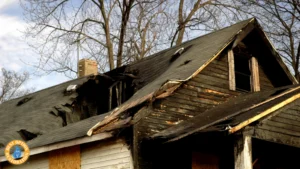
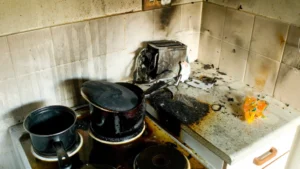
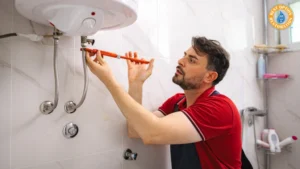
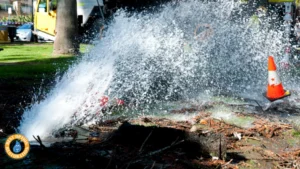
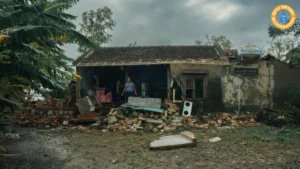
Grapevine and Carrollton Texas service area experiences frequent water damage risks due to seasonal storms, plumbing failures, and unexpected flooding events that can escalate within minutes if not handled properly.
Water damage is not a surface-level issue. Once water enters a property, it immediately begins moving through every absorbent material it encounters. Drywall, wood framing, insulation, carpet padding, and subfloors all act like sponges, pulling moisture deeper into the structure.
In homes across Grapevine and Carrollton, this process happens even faster because of high humidity levels and temperature fluctuations that already stress building materials. What starts as a small leak under a sink or a minor roof intrusion during a storm can become a full structural issue in less than an hour.
The most dangerous aspect of water damage is not what you can see, but what you cannot see. Behind walls and under flooring, moisture spreads silently, creating hidden pockets of saturation that continue to weaken materials long after the surface appears dry. This hidden moisture is what leads to mold growth, wood rot, and long-term structural instability.
Within the first 24 hours, drywall begins to lose integrity, paint starts bubbling, and wood begins to swell. Between 24 and 48 hours, mold spores can activate and spread rapidly, especially in dark and damp environments. Once mold begins growing, the complexity and cost of restoration increase significantly.
This is why water damage is always considered time-sensitive. The longer water remains inside a structure, the more extensive and expensive the damage becomes.
Professional water damage restoration follows a structured and highly technical process designed to fully remove moisture, stabilize the structure, and restore the property to safe conditions.
The process begins with a full emergency inspection. Technicians use moisture meters, infrared cameras, and thermal imaging tools to locate both visible and hidden water damage. This step is critical because surface-level inspection alone cannot reveal the full extent of saturation inside walls or flooring systems.
Once the affected areas are identified, powerful extraction equipment is used to remove all standing water. This step prevents further absorption into structural materials and reduces overall drying time.
After extraction, industrial air movers and dehumidifiers are installed throughout the property. These machines work together to remove moisture from deep within building materials and control humidity levels in the air. This phase is essential for preventing mold growth and ensuring complete structural drying.
Drying is not a quick process. Depending on the severity of the damage, it can take several days to fully remove moisture trapped inside walls, subfloors, and insulation.
Once the structure is fully dry, the sanitization process begins. This includes cleaning and disinfecting all affected surfaces to eliminate bacteria, contaminants, and odors left behind by water exposure.
If any materials are too damaged to repair, reconstruction work begins. This may include replacing drywall, installing new flooring, repairing insulation, and restoring structural components of the property.
The goal of the entire process is not just to make the property look dry, but to ensure it is completely safe, structurally sound, and free from hidden moisture.
One of the most misunderstood aspects of water damage is how much of it remains hidden after the visible water is gone. Many homeowners assume that once floors feel dry, the problem is resolved. In reality, that is rarely the case.
Water often travels beneath flooring materials and becomes trapped between layers of subflooring and insulation. Inside walls, moisture can remain trapped in wood framing and drywall cores for extended periods without showing visible signs.
This hidden moisture creates ideal conditions for mold growth. Mold does not require standing water to develop. It only needs consistent moisture and a dark environment, both of which are commonly found inside damaged structures.
Another hidden risk is structural weakening. Wood framing that remains wet for too long begins to lose strength, warp, and in severe cases, rot. This can compromise the safety of the entire structure if not addressed early.
Electrical systems are also at risk. Water intrusion into wiring, outlets, or breaker systems can create serious fire hazards if not properly inspected and repaired.
Because of these risks, professional be restoration is essential. It ensures that all moisture, both visible and hidden, is properly identified and removed.
Speed is the most important factor in determining the outcome of any water damage situation. The first few hours after water intrusion are critical because this is when secondary damage begins to develop.
If water is removed quickly, many materials can be fully restored without replacement. However, if response is delayed, materials begin to break down and require full reconstruction instead of simple drying.
Fast response helps prevent:
In many cases, acting within the first 24 hours can reduce repair costs by more than half. This is why emergency water damage services operate 24/7 and prioritize rapid on-site response.
The difference between immediate action and delayed action is often the difference between restoration and full rebuild.
Water damage is one of themost destructive and fast-moving property issues a homeowner can face. In areas like Grapevine and Carrollton, where storms and plumbing issues are common, the risk is constant and unpredictable.
Proper restoration is not just about drying a space. It is about fully restoring safety, structure, and long-term stability. Without professional intervention, hidden moisture can continue damaging a property long after the initial event.
The key takeaway is simple: water damage must be treated immediately, thoroughly, and professionally to prevent long-term consequences.


