Residential vs. Commercial Water Damage Restoration: Key Differences Explained
March 19, 2026
Water damage restoration is crucial for homes and businesses. Learn effective strategies to mitigate damage and restore property efficiently.
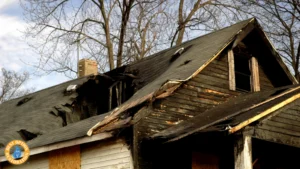
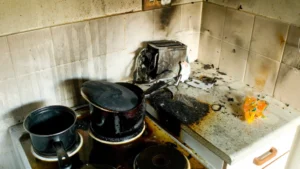
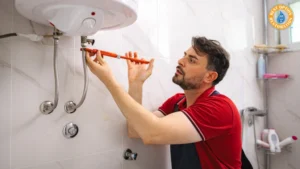
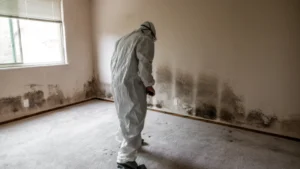
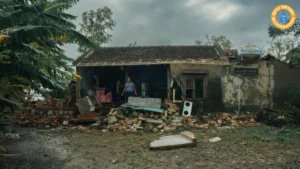
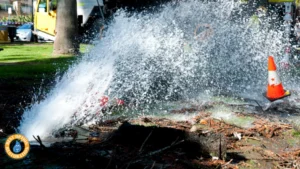
Best Option Restoration provides full reconstruction services for homes and businesses in Grapevine Carrollton Texas service area that have experienced severe structural damage from water, fire, mold, or storm-related disasters.
Reconstruction is the final and most critical phase of the restoration process because it is what transforms a damaged, partially repaired structure back into a fully functional and safe property. While mitigation and cleanup focus on stopping damage and removing contaminants, reconstruction focuses on rebuilding everything that was lost, weakened, or destroyed.
In Grapevine and Carrollton, properties often require reconstruction after severe water damage,fire incidents, or storm impact events. These disasters rarely affect only one part of a structure. Instead, they tend to damage multiple interconnected systems at once — including walls, flooring, insulation, electrical systems, roofing, and framing.
Reconstruction ensures that all of these systems are properly restored, not just patched. Without reconstruction, a property may appear repaired on the surface but still contain hidden weaknesses that can lead to future problems such as leaks, mold growth, structural instability, or energy inefficiency.
This phase is not cosmetic — it is structural restoration. It is the step that determines whether a building is truly safe to occupy again.
The reconstruction process begins only after all mitigation and cleanup work is fully completed. This ensures that no moisture, contamination, orstructural instability remains before rebuilding begins.
The first step is a detailed reconstruction assessment. Technicians evaluate all damaged areas and create a structured rebuilding plan that outlines what needs to be repaired, replaced, or completely rebuilt. This includes walls, ceilings, floors, insulation systems, cabinetry, and sometimes even structural framing.
Once the plan is established, demolition of unsalvageable materials is performed. Any components that were too damaged during the disaster or cleanup phase are safely removed. This step is critical because rebuilding over compromised materials can lead to long-term structural failure.
After demolition, structural rebuilding begins. This may include repairing or replacing framing, installing new drywall, rebuilding ceilings, and restoring load-bearing structures if necessary.
Once the structural foundation is restored, interior reconstruction begins. This includes flooring installation, painting, trim work, cabinetry installation, and finishing details that bring the space back to a livable condition.
Electrical and plumbing systems are also repaired or replaced during this phase if they were affected by the original damage. These systems are carefully tested to ensure they meet safety standards before completion.
The final step is finishing and quality inspection. Every area of the reconstructed property is reviewed to ensure it meets safety, structural, and aesthetic standards before being returned to the property owner.
Reconstruction is required when damage goes beyond surface-level issues and affects the structural integrity of a property. In Grapevine and Carrollton, the most common causes include:
Water damage that has penetrated deepinto walls, flooring, or substructures often requires reconstruction because materials like drywall, insulation, and wood framing lose integrity when saturated for extended periods.
Fire damage is another major cause. Even if parts of a building are not burned, heat, smoke, and soot can weaken structural components, making full or partial reconstruction necessary.
Mold damage can also require reconstruction when contamination spreads into walls, flooring, or HVAC systems. In these cases, affected materials must be removed and replaced to ensure safe indoor air quality.
Storm damage frequently leads to reconstruction when roofs collapse, siding is torn off, or water intrusion compromises structural stability.
In all of these cases, reconstruction is the only way to ensure the building is fully restored to safe and usable condition.
Reconstruction is not just construction work — it is specialized restoration building that requires an understanding of how damage affects structural systems over time.
One of the most important aspects of professional reconstruction is ensuring that hidden damage is not overlooked. Even after cleanup, residual moisture, smoke particles, or weakened materials may still exist inside a structure. If these issues are not addressed during reconstruction, they can lead to long-term problems such as mold growth, structural shifting, or material failure.
Professional reconstruction also ensures compliance with building codes and safety standards. This is especially important in areas like Grapevine and Carrollton, where residential and commercial buildings must meet strict regulatory requirements.
Another key factor is integration with the restoration process. Reconstruction teams must work closely with mitigation specialists to ensure that the transition from cleanup to rebuilding is seamless and that no stage of the process is missed.
Without professional reconstruction, a property may look repaired but still contain hidden risks that compromise long-term safety and value.
Many property owners confuse basic repairs with full reconstruction, but the two are very different in scope and purpose.
Repairs typically involve fixing isolated issues such as patching drywall, replacing a section of flooring, or repainting walls. These repairs are suitable for minor damage where the structural integrity of the property is still intact.
Reconstruction, on the other hand, is required when the underlying structure has been compromised. This involves rebuilding entire sections of the property from the ground up, ensuring that both visible and hidden systems are fully restored.
In disaster situations, reconstruction is often the only way to ensure that the property is safe, stable, and fully functional again.
While reconstruction happens after cleanup, timing is still extremely important. Delays in reconstruction can leave properties exposed to environmental conditions such as humidity, temperature changes, and secondary damage risks.
Open structures are vulnerable to:
Starting reconstruction promptly ensures that the property remains protected and that previous restoration efforts are not compromised.
Efficient reconstruction also reduces overall downtime for homeowners and businesses, allowing them to return to normal life or operations faster.
Reconstruction is the final step in the complete recovery process after disaster damage. It is the phase that transforms a damaged structure into a fully restored, safe, and functional property.
In Grapevine and Carrollton, where properties face risks from water, fire, mold, and storms, professional reconstruction ensures that damage is not only repaired but fully resolved at the structural level.
Without reconstruction, restoration remains incomplete. With it, a property is truly brought back to life.


