Residential vs. Commercial Water Damage Restoration: Key Differences Explained
March 19, 2026
Water damage restoration is crucial for homes and businesses. Learn effective strategies to mitigate damage and restore property efficiently.
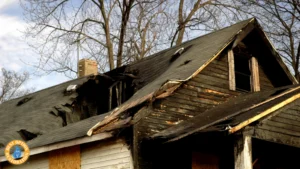
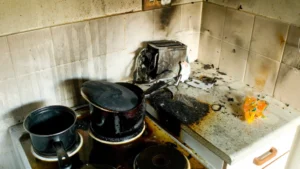
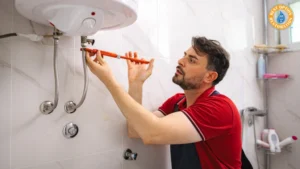
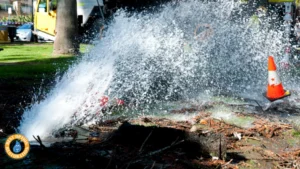
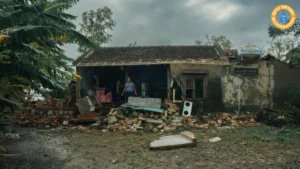
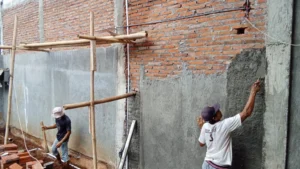
Grapevine and Carrollton Texas residential areas homes are constantly exposed to risks from water leaks, fire incidents, mold growth, and severe storms that can disrupt both structure and livability within a very short time, so we offer residential restoration services.
The restoration not simply about fixing what is visibly broken. It is a full recovery process designed to return a home to a safe, stable, and fully livable condition after a disaster.
When a home is affected by water, fire, or mold, the damage is rarely limited to one area. Instead, it spreads through interconnected systems within the house. Water moves through walls and flooring. Smoke travels through ventilation systems. Mold spreads through airborne spores. Storm damage often affects both exterior and interior structures simultaneously.
Because of this interconnected damage, residential restoration must address both visible destruction and hidden issues that are not immediately obvious. A surface-level repair may make a home look restored, but without deep inspection and remediation, underlying problems can continue to grow silently.
Homes are especially vulnerable due to shifting weather conditions, aging infrastructure in some neighborhoods, and high humidity levels that contribute to moisture retention.
Residential restoration follows a structured, multi-phase process designed to fully recover the home from top to bottom.
The first phase is emergency response and damage assessment. Restoration professionals inspect the entire property to identify structural issues, safety hazards, and hidden damage. This includes checking behind walls, under flooring, inside insulation, and within HVAC systems.
Once the assessment is complete, immediate stabilization begins. This may include shutting off water sources, securing damaged roofing, boarding up broken windows, and preventing further environmental exposure.
The next phase depends on the type of damage present. If water damage is involved, extraction and drying equipment are deployed immediately. If fire damage is present, soot removal and smoke control processes begin. If mold is found, containment barriers are installed to prevent spread during removal.
After mitigation, deep cleaning and sanitization are performed. This step ensures that all contaminants, bacteria, soot particles, and mold spores are fully removed from affected areas.
Once the structure is stabilized and cleaned, reconstruction begins. This phase restores drywall, flooring, cabinetry, insulation, and structural components. The goal is to return the home to its original condition or improve it beyond its pre-damage state.
One of the biggest challenges in residential restoration is hidden damage. Even when a home looks visually intact after cleanup, internal systems may still be compromised.
Water damage, for example, can remain trapped inside wallsfor days or even weeks. This hidden moisture can weaken structural framing and create ideal conditions for mold growth.
Fire damage often leaves behind invisible smoke particles that continue to affect air quality long after the fire is extinguished.
Storm damage may cause micro-cracks in roofing or siding that allow slow water intrusion over time.
These hidden issues are why professional restoration always includes moisture detection, air quality testing, and structural inspection before declaring a home fully restored.
Speed is one of the most important factors in residential restoration. The longer damage is left untreated, the more it spreads and worsens.
Delays in restoration can lead to:
Fast response ensures that damage is contained early, reducing both repair costs and long-term risks.
Residential restoration is about more than repairing damage—it is about restoring safety, comfort, and stability to a home after unexpected disaster.
In areas like Grapevine and Carrollton, where environmental conditions can change rapidly, having access to professional restoration services ensures that homes can recover quickly and fully without long-term hidden damage.


