
Complete Fire, Smoke, and Structural Recovery Services in Grapevine & Carrollton
May 1, 2026
Make informed decisions when selecting a water damage restoration company. Evaluate expertise, response time, and customer reviews for the best…
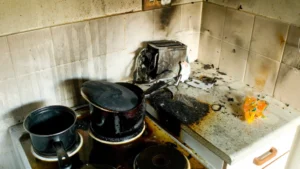
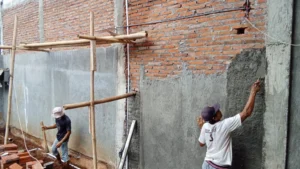
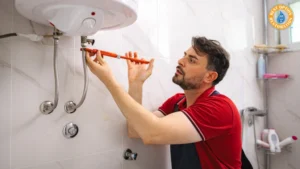
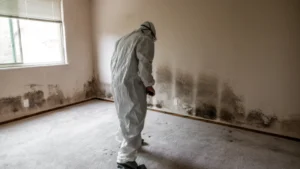
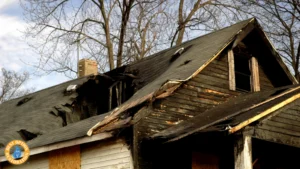
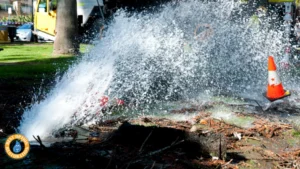
Grapevine and Carrollton Texas flood-prone areas properties are at constant risk of sudden flooding caused by heavy rainfall, drainage overflow, storm surge effects, and plumbing system failures that can introduce large volumes of water into homes and commercial buildings in a very short period of time
Flood damage is not just water intrusion — it is a contamination event that affects the structure, air quality, and safety of an entire property simultaneously. Unlike clean water from a pipe burst or appliance leak, floodwater is often classified as contaminated or “black water,” meaning it may contain bacteria, sewage, chemicals, debris, and outdoor pollutants.
When floodwater enters a property, it spreads aggressively through flooring systems, drywall, insulation, and any porous material it touches. Because floodwater is often uncontained and comes in large volumes, it quickly overwhelms a building’s natural resistance systems such as seals, baseboards, and foundation barriers.
In Grapevine and Carrollton, flooding can occur suddenly during heavy storm events when drainage systems are unable to handle rainfall volume. Even properties not directly located near water sources can experience flooding due to runoff, street overflow, or ground saturation.
What makes flood damage especially dangerous is that it affects everything at once — structure, air quality, electrical systems, and personal belongings. Unlike other types of water damage, floodwater introduces biological and chemical risks that require specialized cleanup procedures.
The moment floodwater enters a structure, it begins to compromise every layer of the building. Floors become saturated first, followed by walls and structural framing. Because floodwater often carries debris and contaminants, it leaves behind residues that continue to affect surfaces even after the water recedes.
Drywall begins to absorb moisture almost immediately, weakening its structural integrity. Insulation becomes saturated and loses its effectiveness while also becoming a breeding ground for bacteria and mold growth.
Wooden structural components such as floor joists and framing begin swelling and warping when exposed to prolonged moisture. This can lead to long-term structural instability if not addressed quickly.
Electrical systems are particularly vulnerable during flooding events. Outlets, wiring, and breaker systems exposed to floodwater can become dangerous and must be professionally inspected before power is restored.
Air quality also deteriorates rapidly. As floodwater interacts with organic materials, it releases strong odors and airborne contaminants that can affect indoor breathing conditions.
Within hours, humidity levels inside the property rise significantly, creating an ideal environment for mold development. Within 24 to 48 hours, mold spores can begin activating in hidden areas such as wall cavities and subflooring.
Flood cleanup is a complex, multi-stage process designed to remove contaminated water, restore structural safety, and fully sanitize the property.
The process begins with emergency response and safety assessment. Before any cleanup begins, technicians evaluate the structural stability of the property and identify potential hazards such as electrical exposure, contaminated water zones, or weakened structural areas.
Once the site is deemed safe, water extraction begins. Industrial-grade pumps and extraction systems are used to remove large volumes of floodwater quickly. This step is critical because standing floodwater continues to spread contaminants and damage materials until it is fully removed.
After extraction, a detailed contamination assessment is performed. Unlike clean water damage, floodwater requires classification of affected materials based on contamination level. Some materials can be cleaned and restored, while others must be safely removed and disposed of due to biological hazards.
Once contaminated materials are identified and removed, the drying process begins. High-powered air movers and commercial dehumidifiers are strategically placed throughout the property to remove moisture from structural materials and reduce humidity levels in the air.
Drying flood-damaged properties takes longer than standard water damage because floodwater penetrates deeper into materials and often affects multiple layers of a structure simultaneously.
After drying is complete, sanitization and disinfection are performed. This step is essential because floodwater often contains harmful bacteria and pathogens. All affected surfaces are treated with antimicrobial solutions to eliminate health risks and restore safe living conditions.
Odor removal is also a critical step in flood restoration. Floodwater often leaves behind strong, persistent odors caused by bacteria and organic decomposition. Specialized deodorization techniques are used to neutralize these odors at a molecular level.
Finally, reconstruction begins if necessary. This may include replacing drywall, insulation, flooring systems, baseboards, cabinetry, and structural elements that were too damaged to restore.
Even after visible water is removed, flood damage often continues internally. One of the biggest risks is hidden moisture trapped inside wall cavities and beneath flooring systems.
Floodwater can penetrate deep into structural layers where it remains undetected without specialized moisture mapping tools. This hidden water continues weakening materials and creating conditions for mold growth long after the surface appears dry.
Another major hidden risk is bacterial contamination. Even if surfaces look clean, microscopic contaminants from floodwater can remain embedded in porous materials. Without proper sanitization, these contaminants can continue affecting indoor air quality.
Structural weakening is also a long-term concern. Wood framing exposed to prolonged moisture can lose strength and stability over time, potentially leading to sagging floors, wall distortion, or foundation stress.
Electrical systems hidden inside walls may also suffer corrosion, increasing the risk of future malfunction or safety hazards.
Because of these hidden risks, professional flood restoration always includes deep inspection and verification before declaring a property safe.
Flood damage is time-sensitive because contamination and structural degradation begin immediately after exposure.
The longer floodwater remains in a property, the more severe the damage becomes. Within hours, materials begin absorbing contaminated water. Within 24 hours, microbial growth can begin. Within 48 hours, mold colonies may already be forming inside hidden areas.
Delays in cleanup can lead to:
Fast response is the most important factor in limiting damage and ensuring full recovery.
Flood damage is one of the most complex and hazardous types of property damage because it combines structural, biological, and environmental risks all at once. In areas like Grapevine and Carrollton, where storms and drainage overflow can happen quickly, flood risk is always present during severe weather conditions.
Proper flood cleanup requires more than water removal. It requires full contamination control, deep structural drying, sanitization, and reconstruction to ensure the property is safe, stable, and fully restored.
The key to successful recovery is immediate action and professional restoration expertise.


